Strategic Domestic Expansion and Market Demand
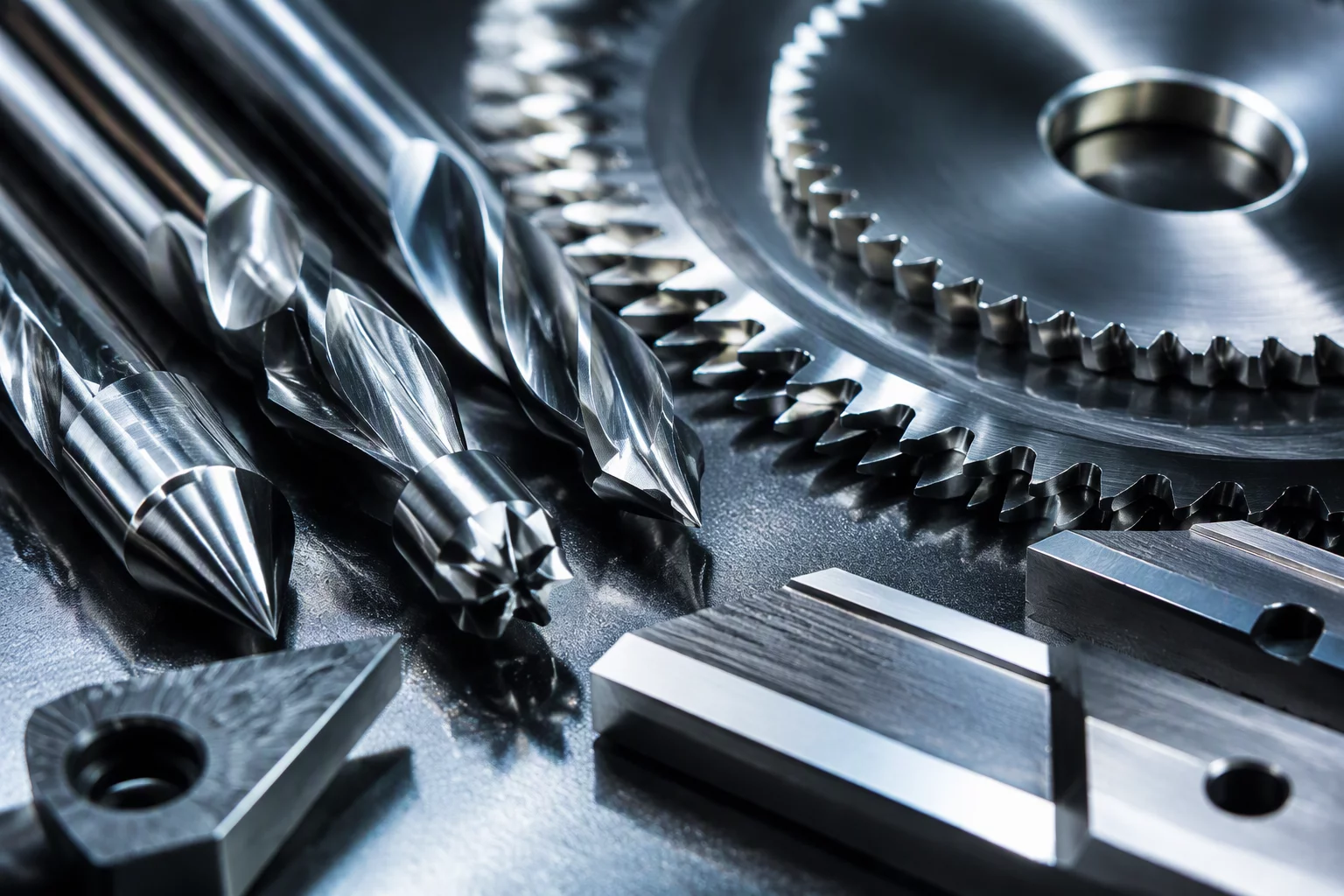
Kennametal has accelerated its capital investments across United States manufacturing hubs, expanding specialized production lines for high-precision end mills, routing tools, and indexable inserts. This strategic initiative directly addresses surging domestic demand in aerospace structures, medical component prototyping, and high-tolerance sheet routing. Operators handling rigid polymer sheets, aluminum panels, and composite materials encounter tighter quality constraints where even minimal tool runout compromises part tolerances.
The expansion establishes localized robotic grinding cells and automated physical vapor deposition coating chambers. By scaling domestic production, lead times for custom flute geometries shrink from several months to standard delivery cycles. Facilities utilizing nested sheet fabrication benefit immediately from identical batch-to-batch tool dimensional repeatability, ensuring uniform cutting performance across high-volume production schedules.
"Tightening tolerances at the tool substrate translates directly into predictable kerf geometry, allowing operators to compress boundary margins without risking part collision or edge blowouts."
Sub-Micron Grain Metallurgy and Kerf Consistency
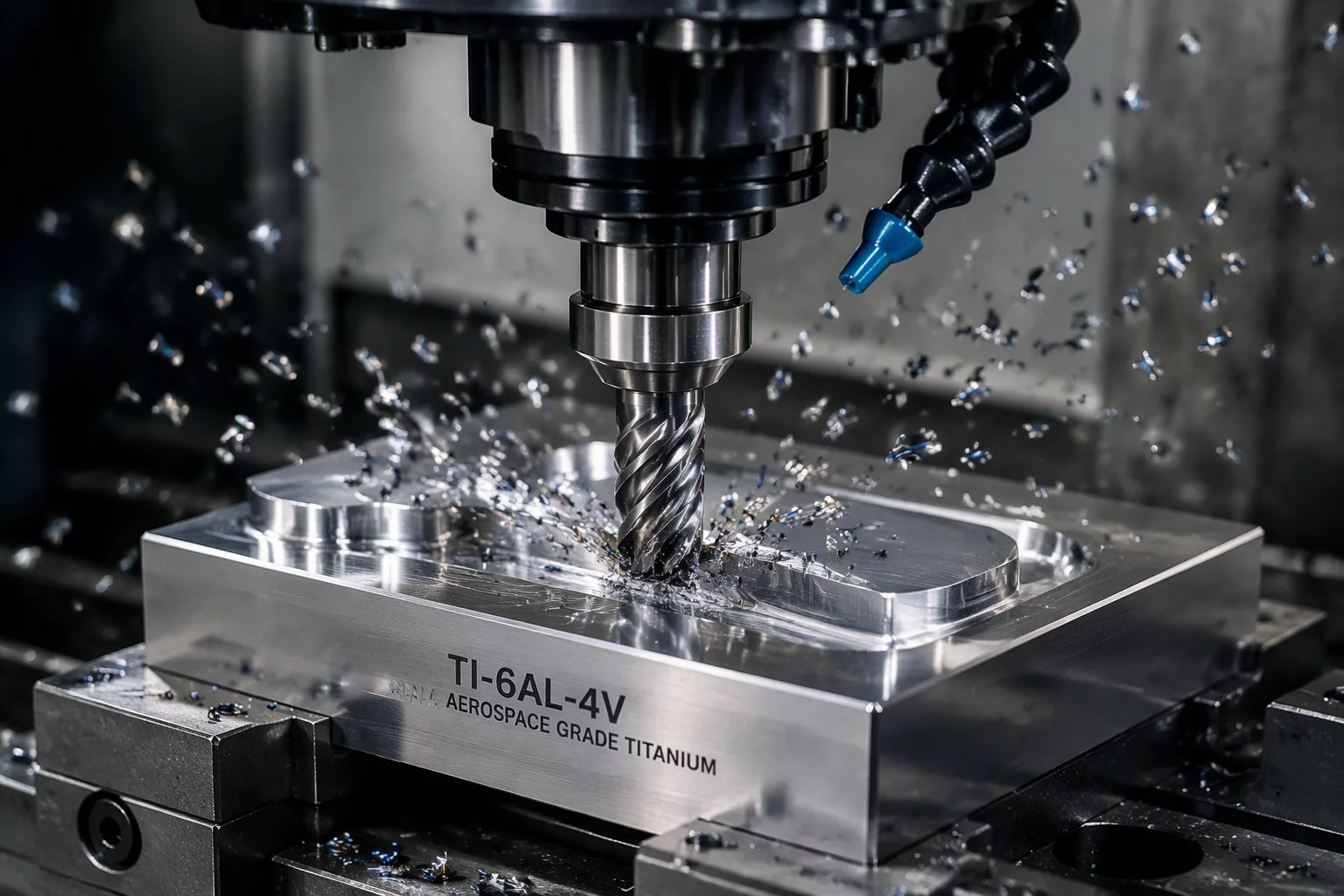
The newly deployed tooling lines leverage specialized tungsten carbide substrates engineered with sub-micron grain sizing. Finer carbide structures prevent microscopic edge fracturing during intermittent cutting passes along dense nested sheets, creating exceptional resistance to thermal degradation and lateral deflection.
- Sub-Micron Substrate Purity: Eliminates internal porosity to maintain a cutting edge sharpness below 2 micrometers through thousands of continuous linear meters.
- Multi-Layer PVD Nano-Coatings: Advanced aluminum titanium nitride layers dissipate frictional heat rapidly, preventing chip welding when cutting non-ferrous sheets.
- Variable Helix Flute Geometry: Dampens harmonic vibrations across thin materials, reducing chatter marks on contour profiles and nested perimeter cuts.
Toolpath Stability and Sheet Margin Compression
In sheet nesting workflows, the safety margin allocated between neighboring parts depends entirely on tool kerf stability and dynamic cutter deflection. Standard tooling often forces programmers to expand spacing margins to 4.0 mm or 5.0 mm to compensate for vibration wobble or edge degradation during extended tool life cycles. When tool deflection remains tightly controlled within micro-tolerances, programmers can safely compress part-to-part spacing down to 2.2 mm or 2.5 mm.
This margin reduction delivers measurable gains across full-sheet production jobs. On a standard 1200 x 2400 mm panel, tightening perimeter gaps translates into an extra 4 to 9 nested components per stock sheet. Over high-volume fabrication campaigns, these marginal gains yield dramatic savings in raw material consumption, minimizing costly skeleton scrap and reducing secondary edge-deburring operations.
Implementation in High-Density Nested Production
Adopting precision-ground tooling requires careful integration with machine feed rate tables, vacuum holding tables, and CAM toolpath strategies. Kennametal provides calibrated speed-and-feed profiles optimized for high-speed routing spindles, enabling workshops to run at higher chip loads without generating excessive cutting forces. As domestic manufacturers transition toward tighter automated nesting standards, reliable cutting tools remain the critical bridge between digital vector efficiency and physical part accuracy.
Alex Mercer
Lead Technical EditorAlex Mercer covers industrial cutting advancements, automated nesting workflows, and toolpath optimization for precision manufacturing and sheet-based fabricators.