July 2026 Shipments Break Monthly Mid-Year Milestones
According to the latest Cutting Tool Market Report compiled jointly by the USCTI and AMT, US consumption of cutting tools totaled $278.1 million in July 2026. This performance marks a sustained upward momentum across high-precision manufacturing, aerospace assembly, and die-cutting sectors, representing a tangible measure of direct material processing activity across the United States.
Because cutting tools are consumable hardware directly linked to real-time production volumes, shipment increases serve as a reliable primary indicator of active factory operations. Rather than forward-looking capital equipment orders, cutting tool usage reflects exact stock removal and fabrication throughput happening across shop floors right now.
"Cutting tool shipments provide the clearest real-time lens into active shop-floor throughput, where every dollar spent directly correlates with material transformed."
Key Drivers Sustaining High-Precision Cutting Demand
Several manufacturing sectors contributed to the $278.1 million shipment volume in July 2026. From automated router tooling to ultra-fine solid carbide end mills, demand has concentrated heavily in high-yield industrial environments:
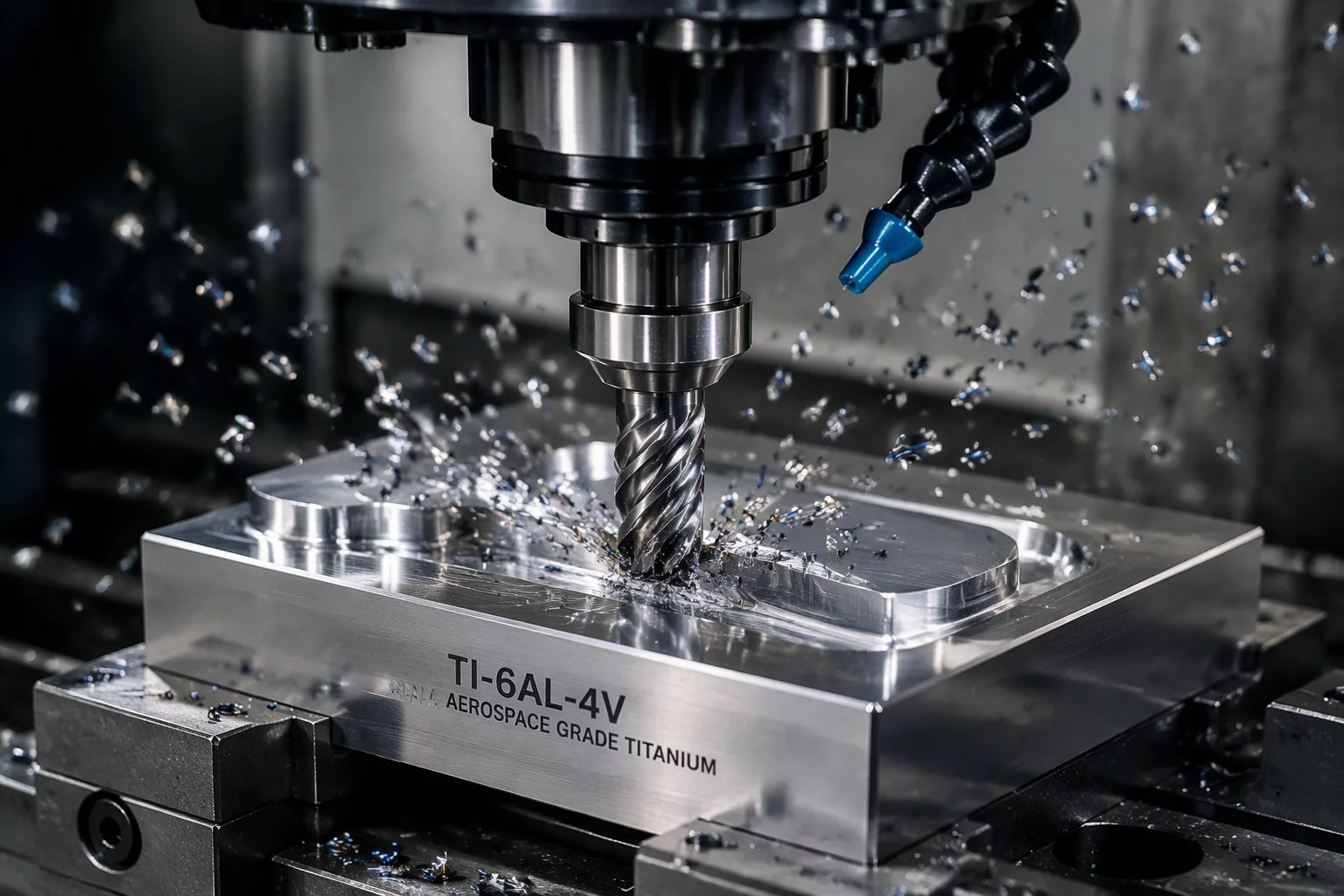
- Advanced Aerospace & Defense Milling: Sustained multi-axis machining of titanium, high-temp alloys, and dense composite panels required frequent tool turnover to maintain strict micro-inch tolerances.
- Sheet Metal & Gasket Die-Cut Processing: Automated flatbed cutters and high-speed rotary tooling experienced increased consumption driven by automotive electrical harnesses and battery enclosure production.
- Micro-Grain Carbide & Coating Advancements: Shops increasingly invested in premium physical vapor deposition (PVD) coated end mills to withstand prolonged abrasive cycles without edge degradation.
Tooling Wear and Sheet Yield Interdependence
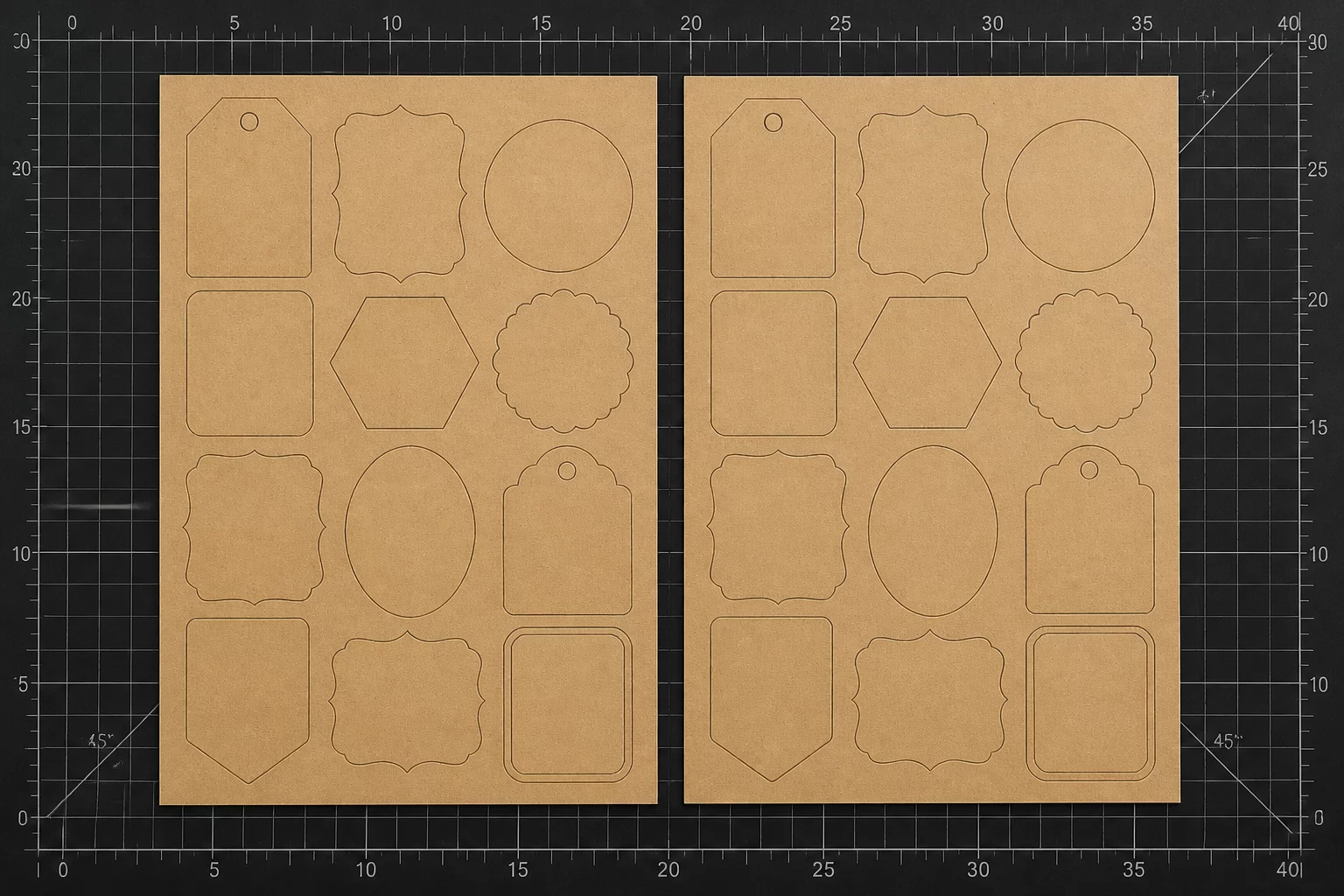
When tooling consumption reaches elevated figures nationwide, shop-level economics face pressure to maximize tool life alongside material yield. Toolpath spacing and perimeter clearance directly affect how much heat builds up at the cutting edge. In high-density nesting routines, cutting too close to previous toolpaths can cause thermal re-cutting and accelerated tool wear.
Balancing tight component layouts with sufficient heat-dissipating bridge margins allows operators to extend cutter lifespan while preserving high sheet utilization. Integrating proper clearance parameters in vector layouts ensures that cutters run cooler, cycle times stay predictable, and expensive carbide wear is minimized.
Practical Takeaways for Workshop Planners
As the cutting tool market continues its robust $278.1 million pace, workshops must maintain strict inventory forecasting and layout discipline. Regularly calibrating machine feed rates, optimizing step-over distances in CAM software, and verifying sheet boundary offsets ensure that your facility extracts maximum value from every cutting bit deployed.
Morgan Reed
Senior Tooling SpecialistMorgan Reed analyzes fabrication economics, toolpath efficiency, and sheet nesting strategies with over a decade of hands-on experience across digital plotting and CNC machining environments.