
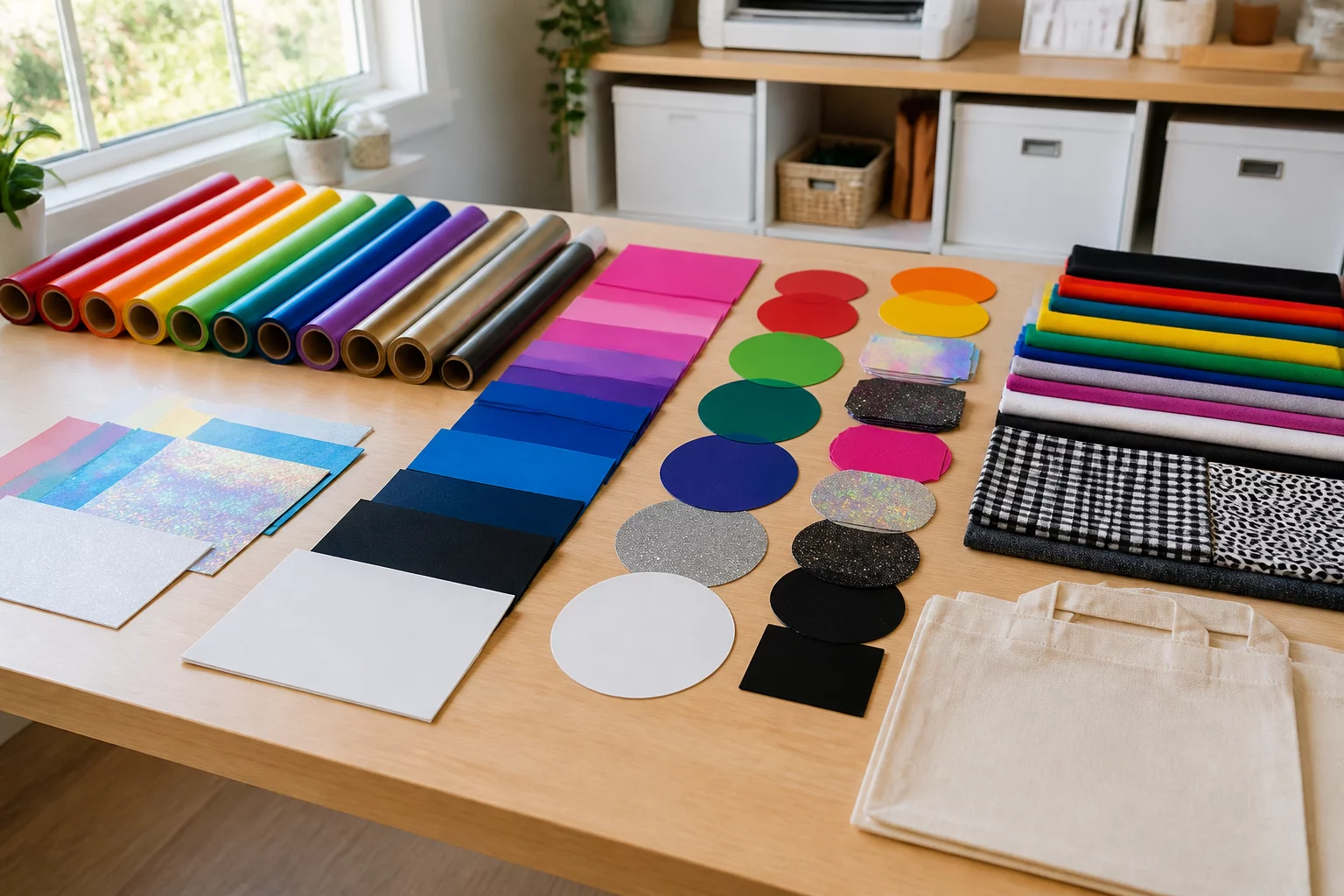
The Core Dilemma: Project Completion vs. Material Yield
When preparing multi-part cut jobs across different substrates or colors, operators face a crucial workflow branch. Organizing cuts strictly by design project keeps every piece for an individual assembly together on a single job run. This approach speeds up assembly, packaging, and order fulfillment since every required part emerges simultaneously. However, this method frequently causes material inefficiency when mixed shapes leave awkward, unusable voids on specialty sheets.
Grouping by material substrate tackles the problem from the opposite direction. By consolidating all identical vinyl rolls, cardstock weights, or acrylic sheets from multiple jobs into high-density nests, you maximize surface area coverage and drive down scrap percentages. The trade-off is organizational complexity after cutting: sorting and redistributing finished elements back into their respective project bundles takes additional workbench time.
Put grouping theory into practice with our interactive layout challenges covering mixed shapes, sheet limits, and orientation constraints.
Finding the Balance in Production Workflows
The optimal approach depends heavily on material cost versus labor handling time. For standard adhesive vinyl or basic cardstock where raw material costs are modest, grouping by design kit saves significant post-processing labor. When cutting premium specialty films, magnetic sheets, or expensive heavy-gauge substrates, material density becomes the dominant financial factor, making material grouping essential.
-
1
Material Cost Ratio: Compare placement, material direction, spacing, and post-cut handling using your actual pieces and sheet boundary.
-
2
Post-Cut Sorting Overhead: Use design grouping for intricate kits with high part counts to eliminate sorting confusion and lost pieces.
-
3
Tool & Blade Consistency: Material grouping minimizes tool changes and force adjustments by running uniform cut parameters in uninterrupted batches.
In hybrid production runs, combining both methods often yields the best outcome. Batching identical small elements across several projects onto a single nested scrap sheet while maintaining larger core components grouped by individual design delivers high material yield without causing chaos on the sorting table.
Strategic Takeaways for Cutter Operators
Evaluate both raw sheet waste and post-cutting handling time before locking your layout. High-cost materials warrant dense substrate-level batching, whereas high-part-count assemblies run faster when cut together by project design.
Frequently Asked Questions
Further Layout Case Studies
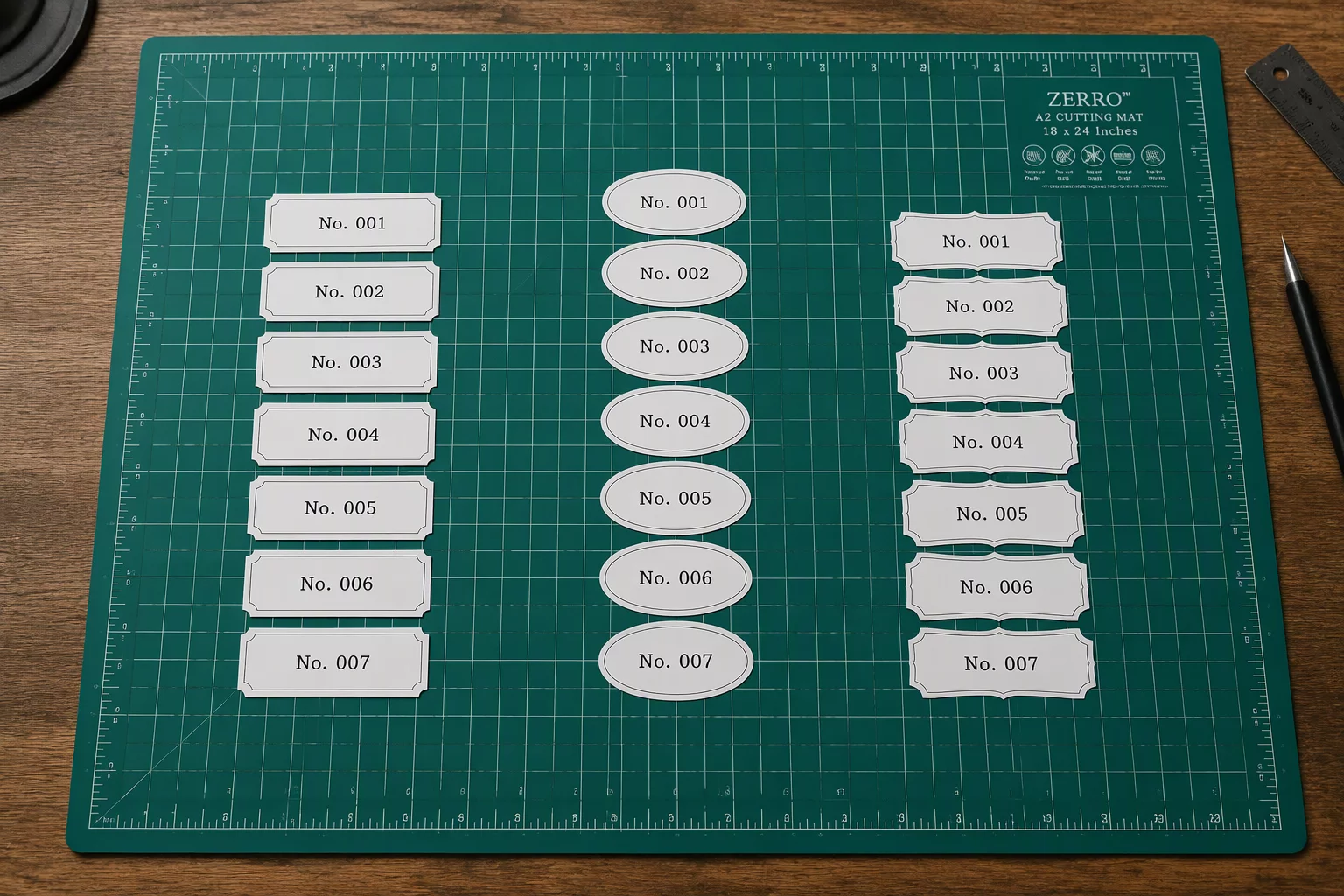
Ten Labels, Three Layout Strategies
Analyze three distinct spatial arrangements for placing ten packaging labels on standard sheets to reduce scrap.
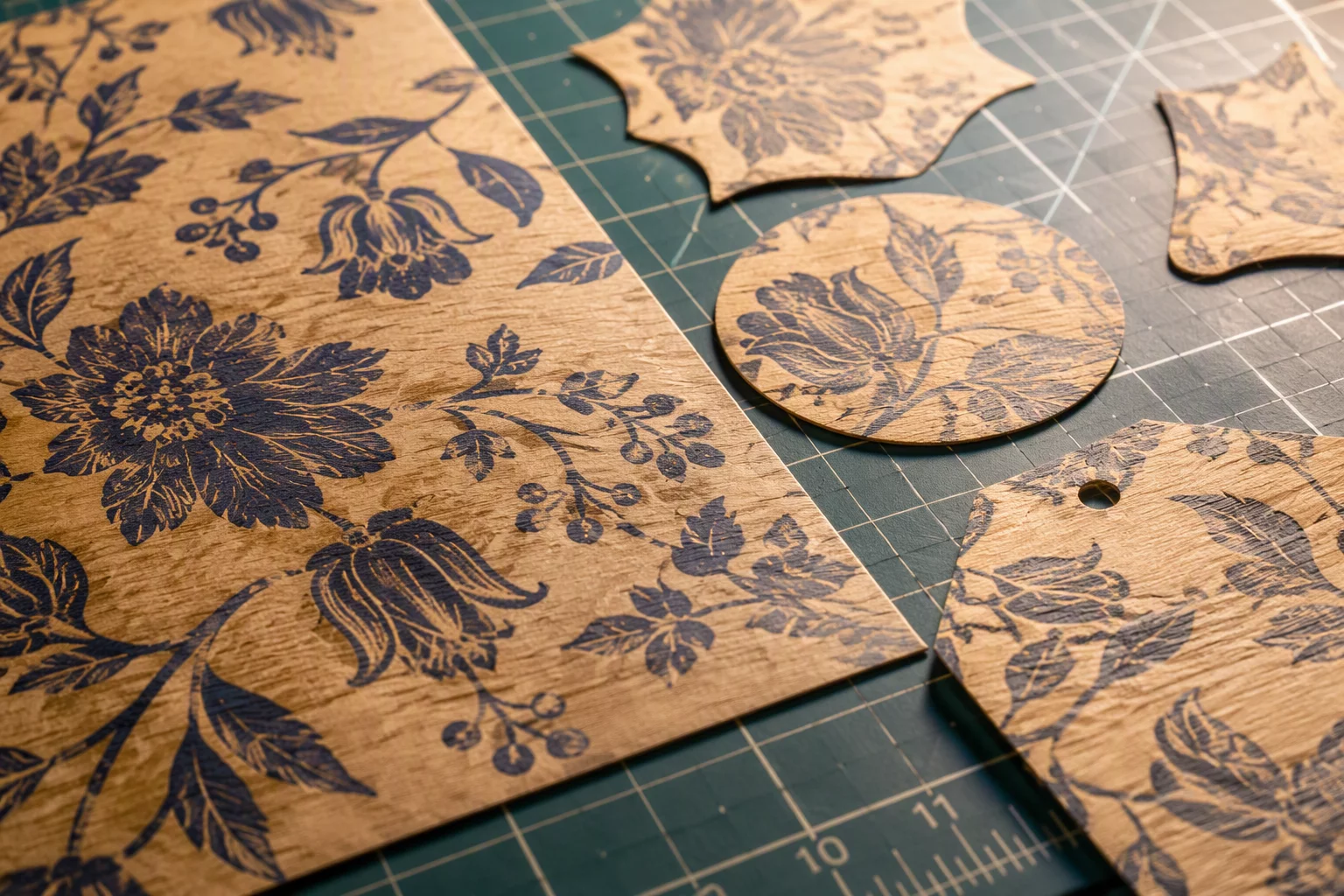
When Rotation Saves Space but Changes Orientation
Understand how aggressive nesting angles can disrupt directional textures, paper grains, and visual alignments.
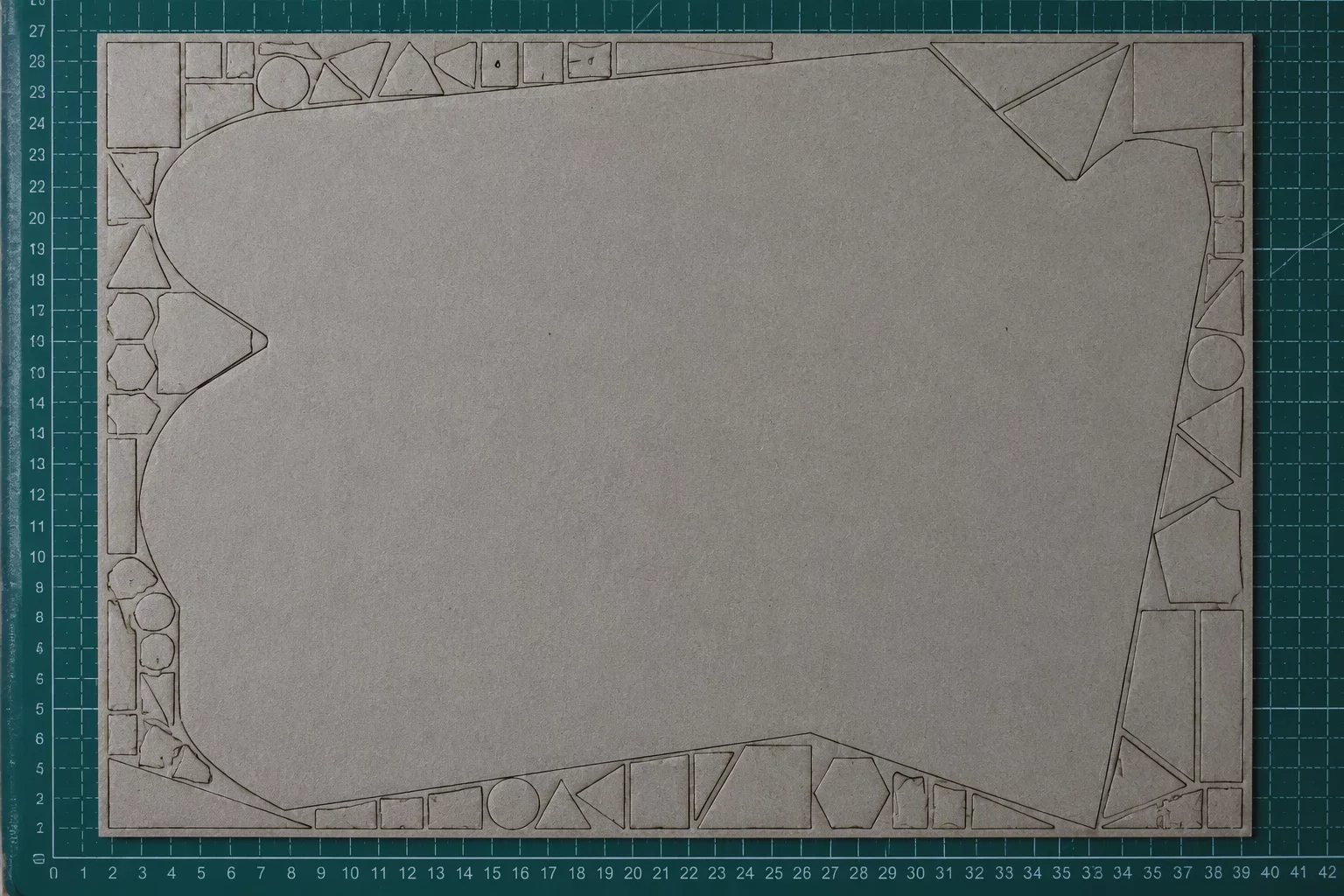
One Large Piece Changes the Whole Sheet
How an oversized component dictates remaining margin geometry and secondary nesting choices across your substrate.
Workshop Feedback & Notes
No workshop notes or community feedback yet. Be the first to share your observations below.
Leave a Comment or Observation
Share your cutting tests, nesting challenges, or workflow feedback.