
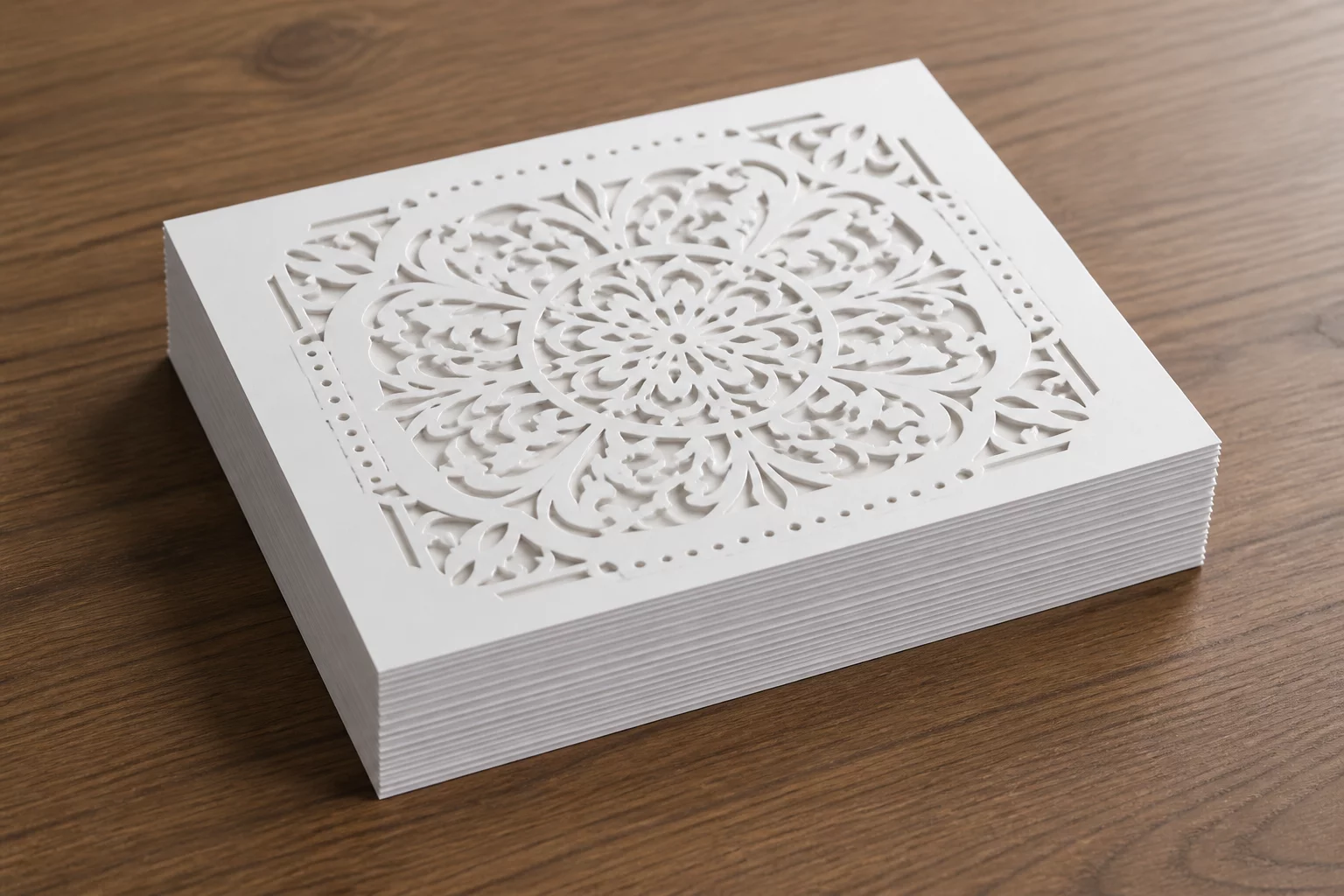
The Conflict Between Dynamic Nesting and Repeat Batch Predictability
When cutting single one-off sheets, running a tight dynamic nesting algorithm makes total sense because your goal is simply packing as many shapes as possible into raw stock. However, moving into multi-sheet repeat production changes the entire economic equation. Dynamic nesting often calculates slight variations in piece positions across consecutive runs, rotating elements arbitrarily to claim a few square millimeters of blank area. When handling hundreds of identical parts, unpredictable orientation wrecks downstream sorting, automated peeling, and packaging workflows.
True batch efficiency depends on repeatable component coordinates. When every piece occupies a known position relative to the sheet origin, operators can set standardized weed lines, use rigid extraction templates, and establish consistent vacuum holding profiles. Locking layout placement across all production sets eliminates operator confusion, reduces blade repositioning lag, and prevents edge tear-out on delicate media.
Compare locked grid structures against dynamic nesting routines across standard 12x12 and 12x24 cutter boundaries.
Core Requirements for Repeatable Multi-Sheet Placements
Achieving genuine repeatability across long cutting runs requires standardizing design files around three mechanical factors: mechanical feed drift, fixed weed borders, and registration indexing consistency. Small variations in roller grip or sheet loading tension amplify across subsequent passes if elements sit right against margin boundaries.
-
1
Fixed Zero Origin: Always anchor repeat matrices to a fixed top-left margin index, giving the pinch rollers and registration sensors identical baseline alignment.
-
2
Uniform Grid Spacing: Maintain consistent spacing between rows and columns rather than tight interlocking nesting to simplify weeding grids and rapid stripping.
-
3
Locked Rotation Angles: Enforce strict 0° or 90° orientation constraints on directional fibers or adhesive coatings to prevent grain mismatch during application.
By treating repeatable placement as an integrated manufacturing step rather than a software-only calculation, workshops dramatically increase finished throughput while virtually eliminating scrap caused by slight mechanical shifting.
Repeatability Outweighs Theoretical Nesting Density
Compare placement, material direction, spacing, and post-cut handling using your actual pieces and sheet boundary. Standardized, repeatable layout structures deliver the highest real-world workshop yield.
Repeatable Layout Strategies & Production FAQs
Further Layout Case Studies
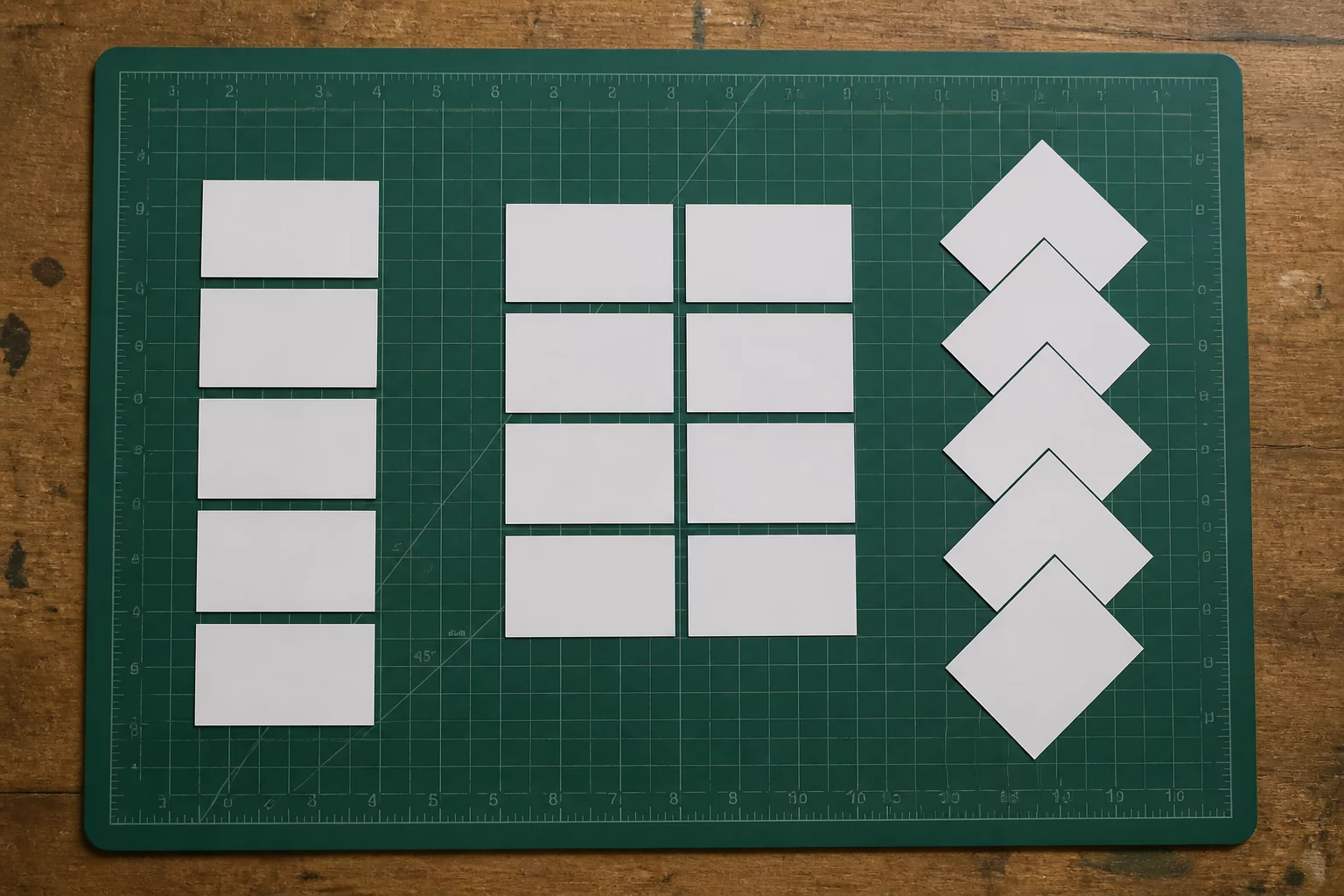
Ten Labels, Three Layout Strategies
Analyzing three distinct sheet layouts for a standard ten-label job to balance material yield, weeding speed, and margin safety.
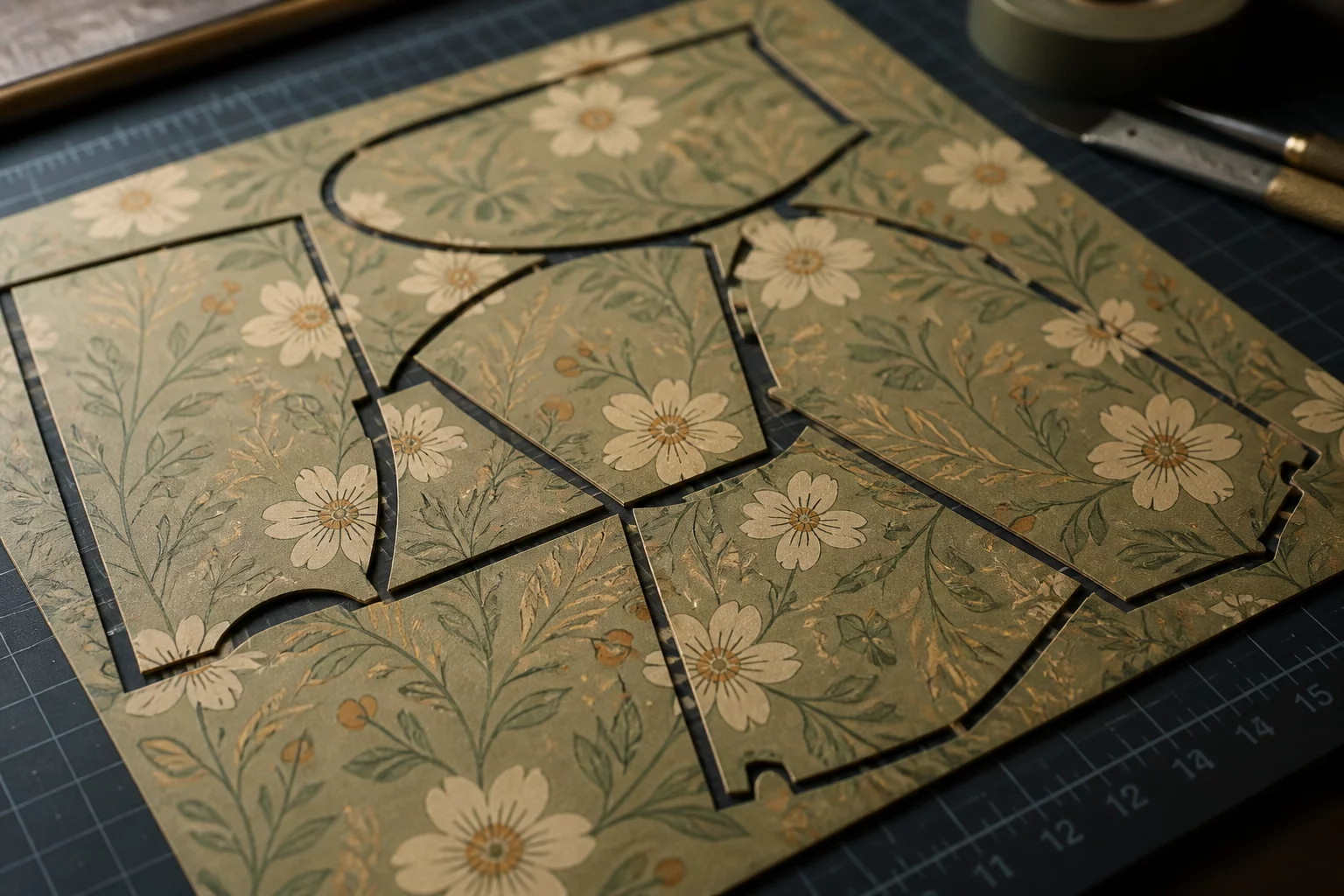
When Rotation Saves Space but Changes Orientation
How arbitrary part rotation in nesting software affects grain direction, patterned media, and optical consistency across batches.
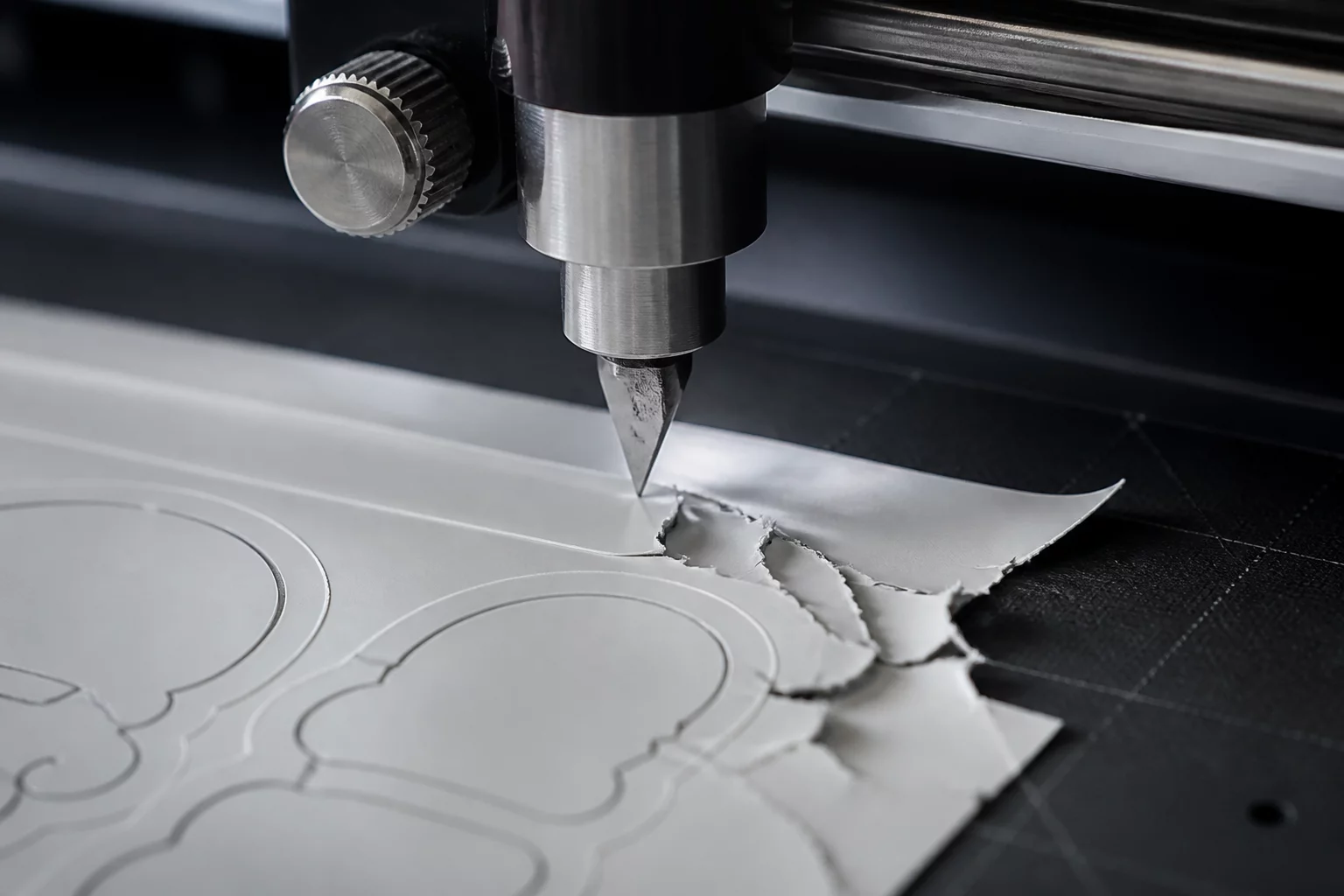
The Margin Was Too Tight for the Workflow
Case study illustrating the hidden costs of aggressive perimeter margins when roller slip and blade deflection cause edge failures.
Workshop Feedback & Notes
No comments yet. Be the first to leave a comment or share your production observations.
Leave a Comment or Observation
Share your cutting tests, nesting challenges, or workflow feedback.